
Mario character in the game Super Mario Bros – Legend of Leveling Up
Mario, the character in Super Mario Bros., is not just a legendary “plumber,” but also a symbol of perseverance, the joy of exploring the pixel world, and an entire era of gaming bắn cá đổi thưởng from classic gameplay to widespread influence on popular culture, Mario has always known how to keep players coming back—even if only to try one more time, navigate a pipe, take another jump, and reach a higher point.
General Introduction to the Character Mario
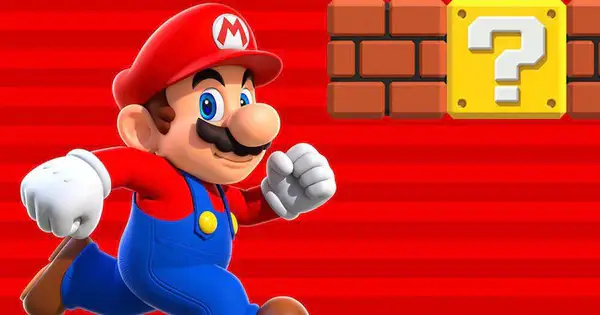
Mario in Super Mario Bros. embodies the “fresh” feel that platform games offer: fast-paced action, clear challenges, and instant rewards. From the first glance, players recognize Mario by his distinctive appearance—red hat, mustache, jacket, and compact gait. But more importantly: Mario isn’t just a character to control. He’s also an emotional compass for the player. Every time Mario pops a mushroom, slides through a hole, or climbs a ladder, you almost “synchronize” with him, feeling like you’re proving yourself against the challenges of the game world.
From a personal perspective, I find Mario possesses a rare “level of trustworthiness” in the world of video games. Many other characters might be cold, mysterious, or highly iconic but difficult to approach. Mario, on the other hand, is more approachable—familiar yet naive enough not to overwhelm new players. When you fail (especially falling into a hole), it doesn’t feel like “you lost,” but rather “you’re not used to the rhythm yet”—and Mario makes the learning process effortless. It’s this very feeling that makes Mario in Super Mario Bros. a career milestone for so many players.
The History of Mario’s Formation and Development
Mario didn’t just appear out of nowhere. Before becoming an icon of Super Mario Bros, he had a long journey of development with many different versions rút tiền bắn cá and different contexts. When it comes to the history of its creation, I often think of the concept of “design evolution”—that is, a character needs to maintain its unique identity (so that people recognize it immediately) while also changing to meet the game’s evolving needs. Mario is a successful example of this balance. He can change his outfit at different stages, his movements or effects may be slightly different, but his “core identity” remains intact.
Mario’s evolution is also evident in how the character is integrated with the gameplay mechanics. In Super Mario Bros, Mario is designed for constant player interaction: running, jumping, climbing, wall climbing (at certain stages), using objects, dodging enemies. For me, the key point is that Mario becomes the “language of communication” between the player and the game world. You don’t just control the character; you learn how the game responds, and Mario is responsible for expressing that response through animation and character physics. This means that the development process with each version is not just about upgrading graphics, but about upgrading the “gameplay.”
Mario’s Role and Influence in the Super Mario Bros. Game Series.
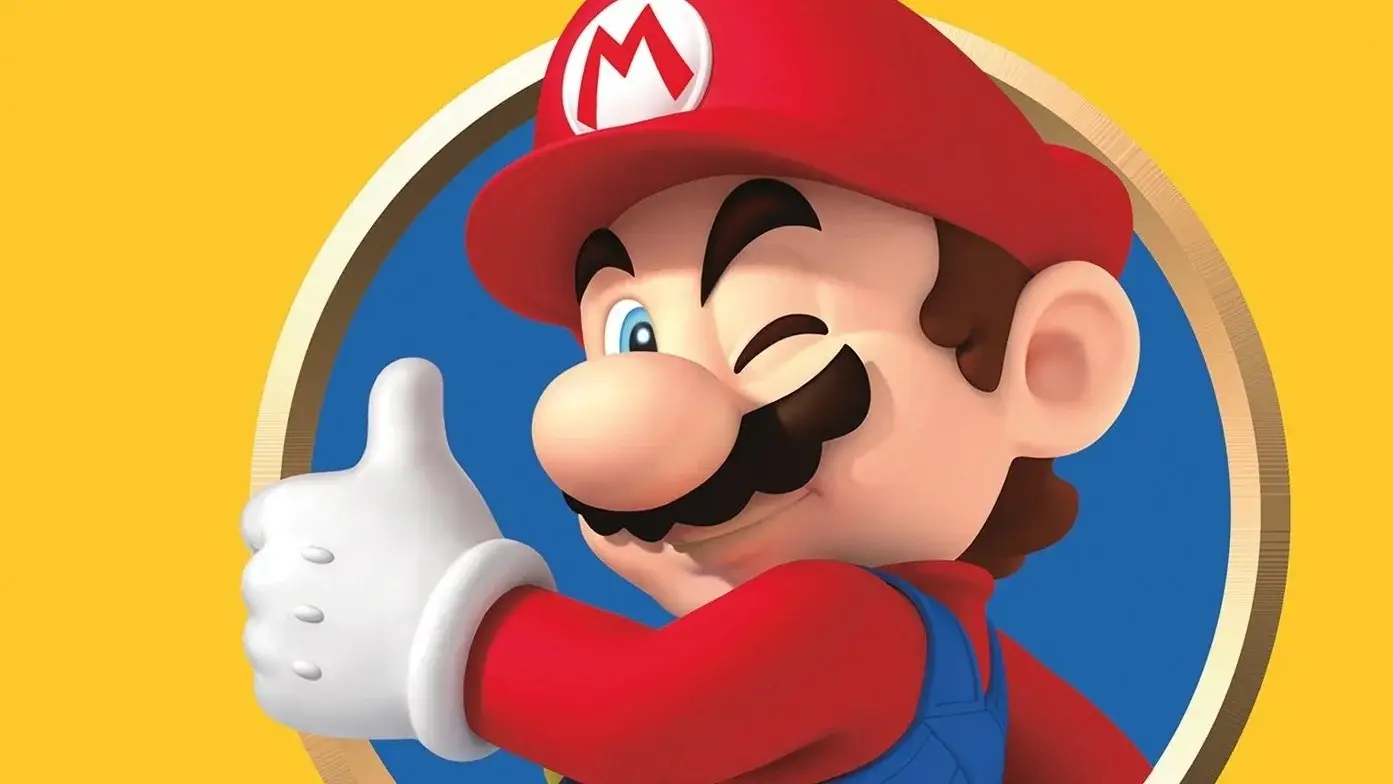
Mario plays a central role at both the mechanical and symbolic levels. Mechanically, Mario is the character players “put their faith” in to overcome pre-set challenges: pipes, flat 2D environments, mushroom staircases, and patterned enemies. In the Super Mario Bros. series, Mario isn’t just a runner—he’s the element that gives each level a clear “impact”: what you do, how dangerous it is, and when the reward is. Without Mario, the experience would be like a mechanical system without an operator; with Mario, everything breathes life and becomes purposeful.
In terms of influence, Mario is like a benchmark. Many subsequent platform games, despite having different ideas—faster speed, more complex physics, more diverse characters—still have to contend with Mario’s “shadow.” People look to Super Mario Bros. for lessons: how to guide the player, how to set checkpoints, how to use color to guide movement, how to design enemies to create a sense of fairness. I believe this impact isn’t just limited to game developers but also extends to gaming culture: when you mention “jumping over mushrooms” or “going through pipes,” many people immediately think of Mario.
Mario’s Special Abilities and Powers
If you had to summarize Mario’s power in Super Mario Bros. in one phrase, it would probably be “learnable abilities” that are still incredibly stimulating. Mario has shapeshifting variations through food/transformations, which change the gameplay: you’re faster, taller, more resilient—and importantly, you feel the change immediately. When Mario eats a mushroom and grows in size, the feeling of power comes on very quickly. But instead of making the game too easy, the designers often maintain a degree of difficulty through enemy placement, jump distances, and movement pace.
Beyond common transformations, Mario also has the ability to be “packaged” into a tactile experience. Smooth running, perfectly timed jumps, precise stops, or “perfect” falls all create a continuous feedback loop. In my opinion, this is what gives Mario his enduring strength in Super Mario Bros.: he’s not just strong in terms of statistics, but strong in terms of interactivity. Even new players can succeed thanks to the intuitive controls, and veteran players gain added “depth” through optimized techniques.
Character Design and Identification Features
Mario’s design is a lesson in visual identity. Looking at his simple yet distinct form, you can instantly recognize Mario from a distance. The red hat provides a striking accent, the mustache serves as a facial identifier, and the overalls and colorful shoes help players read his movements. In a 2D world, quick recognition is crucial because players must react to danger in a short amount of time—Mario excels at this.
I also want to talk about character design closely tied to “friendliness.” Some characters can be too angular or have unpredictable expressions, making players feel insecure. Mario is the opposite: his animations often clearly show his state—running, jumping, veering, or being hit. This helps players avoid getting “lost” in the mechanics. His identifying characteristics aren’t just visual; they’re also about how he “speaks” through movement. It’s this consistency that makes Mario in Super Mario Bros. a recognizable icon across generations.
Mario Through Different Versions of the Super Mario Bros. Game
The great thing about Mario is that he can “be in the same universe” but still adapt to each version. In classic Super Mario Bros games on the NES, Mario is associated with the classic 2D gameplay rhythm: run—jump—dodge—attack. The level design often focuses on relatively linear paths but with secrets: hidden paths in walls, gift boxes, or other paths requiring specific jumping techniques. For new players, this is the foundation for learning platform games; for veteran players, optimizing the path and jumping rhythm creates a very satisfying feeling of “mastery”.
However, as Mario evolved into other versions (with more levels, mechanics, and diverse settings), the character retained his core controls but expanded his abilities. For example, some versions emphasized adventure and experience more, rather than just focusing on running and dodging. I find this creates a psychological difference: classic Super Mario Bros. focuses on speed and reflexes; later versions may emphasize exploration and strategy. Even so, Mario remains the central figure: he’s your “companion,” so even as the game changes style, you still feel a sense of familiarity.
Summary
In short, the Mario character in Super Mario Bros. is the epitome of clear design, smooth interaction mechanics, and enduring spirit that has kept players engaged for generations. From its history and central role in the series to its special abilities and cultural significance as a symbol of overcoming adversity, Mario demonstrates that the power of a character lies not only in its in-game abilities but also in its capacity to inspire and engage players.